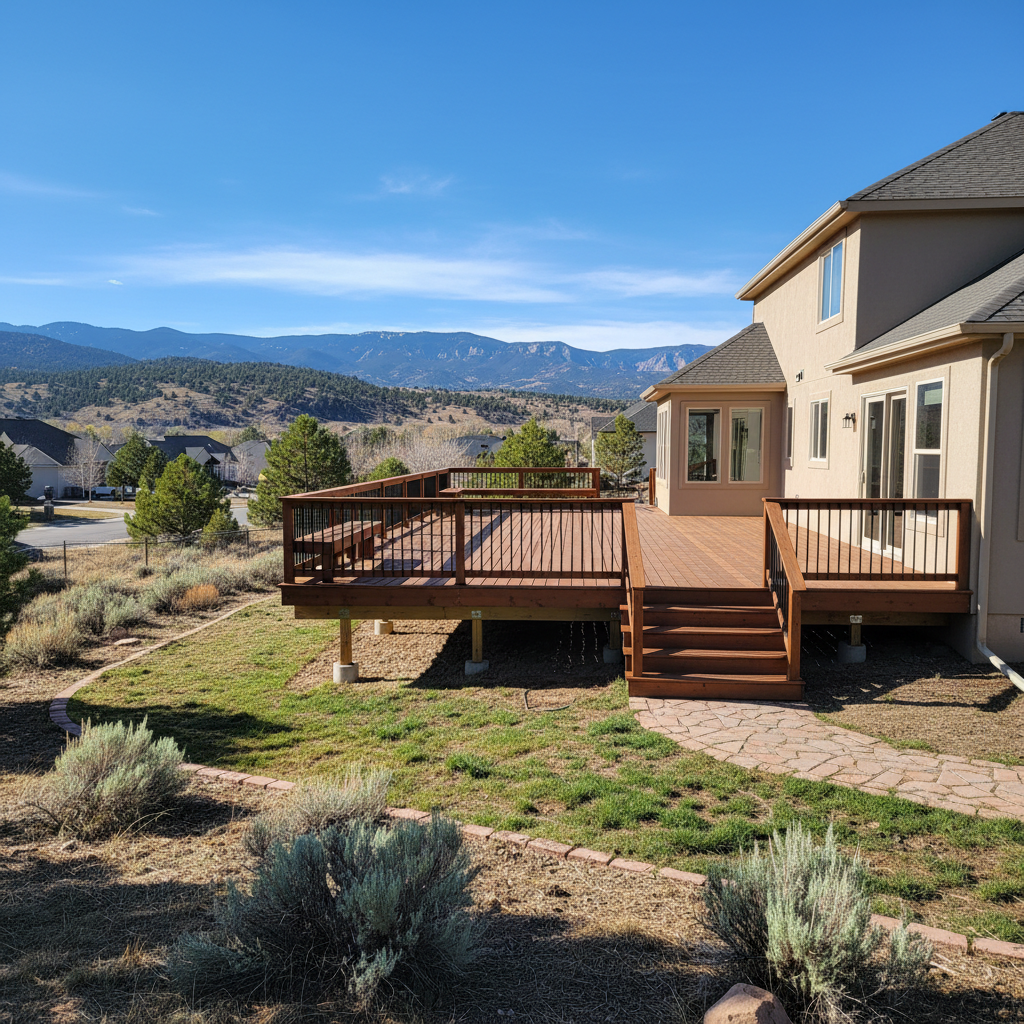
Your deck's only as good as its foundation, right? And here in Ogden, what it's built on — literally, the ground beneath it — is a whole different ballgame than, say, down in Salt Lake or over in Park City. When we're talking about building a deck that'll stand strong for decades, especially with our wild weather swings, the footings are where it all begins. Skimp here, and you're just asking for trouble down the road. Trust me on this one.
Why Ogden's Soil is a Big Deal for Deck Footings
We've got a lot of clay here in Ogden, especially in areas like the East Bench or even down toward the river. Clay soil is tricky stuff. It expands a lot when it gets wet, then shrinks when it dries out. This constant movement, what we call 'expansive soil,' can really mess with a foundation if it's not designed right. You definitely don't want your deck posts heaving up and down like a seesaw every season. That's how you end up with cracked joists, uneven surfaces, and a whole lot of headaches.
Then there's the freeze-thaw cycle. Our winters can be brutal. Temperatures drop, the ground freezes solid, and then it thaws out again. When water in the soil freezes, it expands, pushing up on anything in its way. This is called 'frost heave,' and it's another major enemy of a stable deck. If your footings aren't deep enough or properly designed to resist this, your deck will eventually look like a roller coaster. Nobody wants that.
What We Do to Beat the Ogden Elements
So, what's the solution? It's all about proper depth and smart design. Here's what we typically do at Alpha Deck Co. to make sure your deck stays put:
Digging Below the Frost Line: The absolute minimum code in Weber County for frost depth is 30 inches. But honestly, I usually go deeper, especially in areas with known moisture issues or if the deck is particularly heavy. We're talking 36 to 48 inches, sometimes more. Getting below that frost line means the soil around your footing won't freeze and heave, keeping your deck stable.
Bell-Shaped Footings or Piers: Just a straight hole filled with concrete isn't always enough. For extra stability, especially with that expansive clay, we often flare out the bottom of the footing, creating a bell shape. This gives it a wider base, like an anchor, making it much harder for the ground to push it up. Sometimes we'll use pre-cast concrete piers too, depending on the specific site conditions and engineering requirements.
Reinforcement: Rebar isn't just for house foundations, you know. We often put steel rebar cages inside our concrete footings. This adds tensile strength, helping the concrete resist cracking and breaking under pressure from soil movement or frost heave. It's an extra step, but it's cheap insurance for a long-lasting deck.
Proper Drainage Around Footings: This is often overlooked. Even the best footing can be compromised if water is constantly pooling around it. We make sure the grading around your deck encourages water to flow away from the foundation, not toward it. Good drainage reduces soil saturation, which in turn reduces expansion and frost heave potential. Simple, right?
Why Local Expertise Isn't Just a Buzzword
You might think a footing is a footing, no matter where you are. But that's just not true. A contractor from out of state or even a different part of Utah might not understand the specific challenges we face here in Ogden. They might not know about the clay content in the soil near the Weber River, or the unique frost patterns we get up closer to North Ogden Canyon. They might just dig to the minimum code depth and call it good.
But for us, it's our backyard. We've built decks all over Ogden — from the older homes in the Jefferson neighborhood to the newer developments up on the bench. We've seen what works and, more importantly, what doesn't work when you're dealing with our local conditions. We know the building inspectors, the common soil types, and what it takes to get a deck permitted and built right the first time.
Choosing a local builder like Alpha Deck Co. means you're getting someone who understands these nuances. We're not just building a deck; we're building a deck that's engineered to withstand Ogden's specific environment. It's about knowing your outdoor living space is built on a rock-solid foundation, literally and figuratively.
Don't let your beautiful new deck become a victim of shifting soil or winter's wrath. Make sure the foundation is done right from the start. It's the smartest investment you'll make in your outdoor space.